The cryptocurrency landscape comprises two primary components: coins and tokens. Coins serve as a medium of exchange and store value, exemplified by Bitcoin. In contrast, tokens often represent assets or access rights within decentralized applications, emphasizing utility and governance. Understanding these distinctions is crucial for grasping their respective roles in the digital economy. However, the nuances of their functionalities and implications warrant further exploration.
Understanding Coins: Characteristics and Uses
Coins, as a fundamental element of the cryptocurrency landscape, possess distinct characteristics that differentiate them from tokens.
Primarily, coins serve as digital currencies, facilitating peer-to-peer transactions and enabling various digital currency applications. Their intrinsic cryptocurrency features, such as decentralization and security, enhance user autonomy.
Exploring Tokens: Types and Functionality
While coins operate primarily as digital currencies, tokens represent a broader category within the cryptocurrency ecosystem, serving various purposes and functionalities beyond mere transactions.
Utility tokens facilitate access to services, security tokens represent ownership in assets, governance tokens empower holders to influence project decisions, and non-fungible tokens (NFTs) authenticate unique digital assets, showcasing the diverse applications of tokens in today’s decentralized landscape.
See also: The Rise of Subscription-Based Tech Services
Key Differences Between Coins and Tokens
The distinction between coins and tokens is fundamental to understanding the cryptocurrency landscape.
Coins typically serve as a medium of exchange with inherent coin utility, enabling transactions and value storage.
In contrast, tokens often represent assets or access rights, deriving their token value from specific use cases within decentralized applications.
This differentiation highlights the unique roles coins and tokens play within the broader digital economy.
Real-World Examples of Coins and Tokens
Understanding real-world applications enhances the comprehension of the differences between coins and tokens.
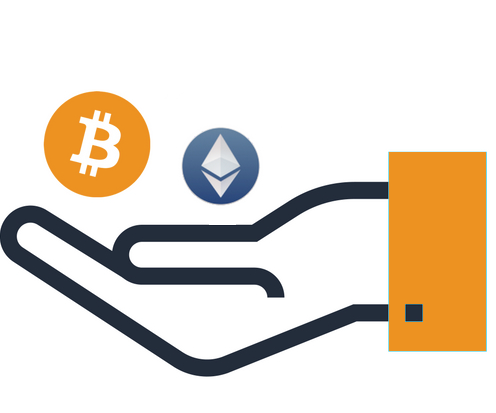
A Bitcoin example illustrates a decentralized currency facilitating peer-to-peer transactions, embodying a coin. In contrast, Ethereum utility serves as a platform for decentralized applications, utilizing tokens to represent assets or functionalities within its ecosystem.
These distinctions clarify the roles of cryptocurrencies in enabling financial freedom and innovation.
Conclusion
In the vast garden of cryptocurrency, coins act as sturdy trees providing shade and sustenance, enabling the flow of value like a river nourishing the land. In contrast, tokens are the vibrant flowers, each unique and serving specific purposes within the ecosystem, from governance to access rights. Understanding these distinctions empowers investors and users alike to navigate this complex landscape, ensuring they cultivate their digital assets wisely, nurturing both the trees and flowers for a flourishing financial future.